Hakata's Temples and Shrines: Kushida Shrine, Tochoji, Shofukuji
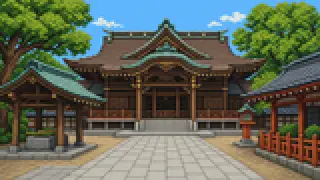
Scattered through the streets of Hakata are temples and shrines with histories stretching beyond a thousand years. Let us trace the depth of faith and festival that breathes within them.
Hakata, the gateway to the continent, was among the first places in Japan where Zen and religious traditions arrived, giving rise to many celebrated sacred sites.
Here we introduce the temples and shrines you should know, along with their histories and highlights.
The Centers of Hakata's Faith
Kushida Shrine, the tutelary shrine of the Yamakasa festival, anchors Hakata's faith, alongside Tochoji with its Fukuoka Daibutsu and the ancient sea-guardian Sumiyoshi Shrine.
Kushida Shrine (櫛田神社)
Known affectionately as "Okushida-san," Kushida Shrine is the tutelary guardian of all Hakata and is famous as the shrine to which Hakata Gion Yamakasa is dedicated. A kazariyama display float stands in the precinct year-round, conveying the festival's spirit. It is the spiritual heart of Hakata, drawing visitors who pray for good relationships and business success.
Tochoji (東長寺)
A Shingon sect temple said to have been founded by Kukai (Kobo Daishi), renowned for the Fukuoka Daibutsu — a seated wooden statue that ranks among the largest of its kind in Japan. A five-story pagoda rises within the precincts, maintaining a solemn atmosphere in the heart of Hakata. Visitors can also experience a journey through the "jigoku gokuraku" (hell and paradise) passage beneath the main hall.
Sumiyoshi Shrine (住吉神社)
An ancient shrine enshrining the guardian deity of the sea, handed down as one of the oldest among the many Sumiyoshi shrines across Japan. It has long gathered worshippers seeking safe voyages and good fortune, and has been cherished as a protector of Hakata. Its wooded precincts offer a pocket of tranquility within the busy city.
Celebrated Temples Conveying Zen and Culture
Jotenji and Shofukuji preserve the arrival of Zen and food culture from Song China, while Hakozaki-gu, one of Japan's three great Hachiman shrines, recalls the Mongol invasions.
Jotenji (承天寺)
A Rinzai Zen temple said to have been founded by the monk Enni (Saint Shoichi) on his return from Song-dynasty China. He is credited with bringing udon noodles, manju buns, and milling techniques to Hakata, and tradition also ties him to the origins of Hakata Gion Yamakasa — though multiple accounts exist. A stone monument inscribed "Birthplace of Udon and Soba" stands within the precincts.
Shofukuji (聖福寺)
A Rinzai Zen temple founded by Eisai, who studied in Song China, handed down as the first Zen temple built in Japan — though accounts vary. The retired Emperor Go-Toba is said to have bestowed upon it the tablet inscription "Fuso Saishoku Zen-kutsu" (The Foremost Zen Cave of Japan). The quiet sub-temples that line its precincts evoke the very origins of Zen culture in Hakata.
Hakozaki-gu (筥崎宮)
An ancient shrine counted alongside Usa Jingu and Iwashimizu Hachimangu as one of Japan's three great Hachiman shrines, revered as a deity of victory. It is famous for the inscription "Tekikoku Kofuku" (Subjugation of Enemy Nations) connected to the Mongol invasions, displayed on its main gate. During the autumn Hojoya festival, stalls line the approach for a week, drawing throngs of visitors.
FAQ
Are Hakata's temples and shrines within walking distance of each other?
Kushida Shrine, Tochoji, Jotenji, and Shofukuji are clustered close to Hakata's historic quarter and can be visited on foot. Hakozaki-gu and Sumiyoshi Shrine are a little further afield, so combining walking with the subway makes for an efficient pilgrimage.
Why is Jotenji said to be the birthplace of udon and manju?
The tradition holds that the temple's founder Enni brought milling and noodle-making techniques back from Song China and passed them on to Hakata. This is a transmitted legend and accounts differ, but a monument commemorating the origin stands within the precincts, testifying to Hakata's deep ties with food culture.