The Essence of Hakata Food: Tonkotsu Ramen, Mentaiko, Motsunabe
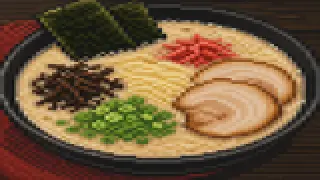
Slurp thin noodles, call for a kaedama refill. In a bowl enjoyed under the lantern light of a yatai stall lies the true essence of Hakata's food culture.
The bounty of Genkai Sea and the food culture of a merchant town combined to cultivate the rich gourmet scene of Hakata.
Here we introduce the must-know flavors of Hakata, together with how each came to be.
The Flavors That Define Hakata
Tonkotsu ramen and its kaedama refill culture lead the way, joined by karashi mentaiko, motsunabe, mizutaki, and gomasaba — flavors raised in yatai stalls and home kitchens alike.
Tonkotsu ramen (豚骨ラーメン)
A ramen whose signature is a rich, cloudy white broth made by boiling pork bones at high heat for hours. Paired with ultra-thin straight noodles, many shops let diners specify firmness — "barikata" (extra firm) being a Hakata staple. Originally spread through yatai street stalls, tonkotsu ramen has become a defining symbol of Fukuoka.
Kaedama (替え玉)
A practice said to have originated in Hakata: adding a fresh portion of cooked noodles directly into the remaining soup in your bowl. Because thin noodles go soft quickly, the custom is to order in small amounts and keep calling for more as you eat. The phrase "kaedama onegaishimasu" is a ritual exchange in Hakata ramen shops.
Karashi mentaiko (辛子明太子)
Alaska pollock roe marinated in a spicy chili-seasoned brine — one of Hakata's most iconic delicacies. Fukuya's founder Kawahara Toshio is credited with popularizing it after the war, though accounts differ. Enjoyed with rice, tossed through pasta, or tucked inside onigiri, it is beloved across a wide range of dishes.
Motsunabe (もつ鍋)
A hotpot of beef offal simmered with cabbage, garlic chives (nira), and garlic in either a soy sauce or miso broth. Finishing with champon noodles is the classic way to close the meal. Affordable yet deeply savory, it sparked a national boom and is cherished as a Hakata hometown dish.
Mizutaki (水炊き)
A hotpot in which bone-in chicken pieces and vegetables are cooked in a milky, long-simmered chicken stock. The traditional way is to sip the broth first, then dip the ingredients in ponzu citrus sauce. Said to have been established in Hakata during the Meiji era, it is known as the refined counterpart to the heartier motsunabe.
Gomasaba (ごまさば)
Slices of fresh mackerel tossed in ground sesame and soy sauce dressing — a Fukuoka regional dish only possible where the fish is landed in peak condition. A staple at izakaya gastropubs, it can be eaten as a bowl over rice or finished as a rice-soup chazuke at the end of a meal.
Connoisseur Favorites and Famous Sweets
Locals cherish okyuto at breakfast, soft-textured Hakata udon, and Hakata Torimon, the buttery bean-paste bun that reigns as Fukuoka's go-to souvenir.
Okyuto (おきゅうと)
A simple local food made by dissolving seaweed and setting it into a firm jelly — a traditional presence at Hakata breakfast tables. Sliced thin and served with ginger, soy sauce, and bonito flakes, its smooth texture is a nostalgic flavor for local people who grew up eating it.
Hakata udon (博多うどん)
An udon unique to Hakata that prizes tenderness over chewy elasticity. The broth is refined and fragrant with kombu kelp and iriko sardines, and classic toppings include burdock root tempura (gobo ten) or a round fish cake (maruton). A bowl well suited to Hakata, a city that claims to be the birthplace of udon in Japan.
Hakata Torimon (博多通りもん)
A moist, Western-style steamed bun wrapping white bean paste in a buttery dough. Made by Meigetsudo, it is the quintessential Fukuoka souvenir and has repeatedly earned top honors at international confectionery competitions. Its gentle sweetness makes it popular across all age groups.
FAQ
I'm not sure when to order kaedama. What's the smart way to do it?
Order when you have nearly finished your noodles but still have soup left. Tell the staff "kaedama" and a fresh portion of noodles will arrive; you can then add garlic, spicy mustard greens (karashinakatsuke), or other condiments to shift the flavor for the final stretch.
What should I know before eating at a Hakata yatai stall?
Yatai stalls line up from early evening in areas like Tenjin and Nakasu, serving ramen and small dishes in a shoulder-to-shoulder atmosphere. Seating is tight so sharing a table is the norm, and many stalls are cash-only — it is worth keeping that in mind before you go.