What is a "Hakatakko"? Hakata, Fukuoka, and two towns
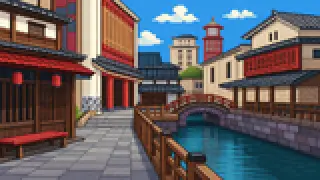
A "Hakatakko" and "someone from Fukuoka" are alike, yet not quite the same. Across the Naka River, merchant Hakata and samurai Fukuoka have long faced each other.
"Hakatakko" is a word for someone born and raised in Hakata — festival-loving and easygoing, people say.
The key is Hakata and Fukuoka, two faces of one city. Their making explains the nickname.
What "Hakatakko" means
A Hakatakko is someone born and raised in Hakata, especially around Hakata Ward — typically described as festival-loving, unfussy, and quick to help others.
Hakatakkohakatakko
It means someone born and raised in Hakata (especially around Hakata Ward). People often describe a festival-loving, unfussy, helpful temperament.
Source:博多祇園山笠用語辞典(山笠ナビ)「博多っ子」
Hakata and Fukuoka, two towns
Merchant Hakata lay east of the Naka River, the Kuroda clan's castle town of Fukuoka to the west; even after the 1889 merger, that east-west distinction lingers.
Split by the Naka River
East of the Naka River lay the merchant town of Hakata; west, the Kuroda clan's castle town of Fukuoka. They merged into Fukuoka City in 1889, and the sense of east-Hakata, west-Fukuoka lingers.
Source:福岡市 公式「福岡市のあゆみ(年表)」
The merchants' spirit
Centuries as an international port open to China, Korea, Ryukyu, and Southeast Asia are said to have shaped Hakata's easygoing, open-hearted merchant spirit.
A port open to the sea
Since medieval times Hakata was an international port linking China, Korea, Ryukyu and Southeast Asia. That history of welcoming people and goods is said to lie behind its open, easygoing spirit.
Source:コトバンク「博多商人」
Spelling variants (博多っ子 / 博多っこ)
Both 博多っ子 and 博多っこ appear in writing, and either way the reading is "hakatakko."
FAQ
Is a "Hakatakko" different from "someone from Fukuoka"?
They overlap, but the nuance differs. "Hakatakko" carries the spirit of merchant Hakata, so it feels more local than "someone from Fukuoka," which covers the whole city.
Where do Hakata and Fukuoka divide?
Roughly at the Naka River: Hakata to the east, Fukuoka to the west. They were once separate towns and merged into Fukuoka City in 1889.