Gusuku Sites of the Ryukyu Kingdom: Touring the 9 World Heritage Sites
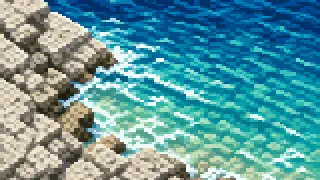
The stone walls of the gusuku (castles), the royal mausoleum, sacred places of prayer. Listed as a World Cultural Heritage in 2000, this site conveys the form of the Ryukyu Kingdom through nine properties. Let's look at the role and highlights of each in turn.
The components number nine in all: five gusuku (castles) and four related properties such as a sacred grove, a mausoleum and a garden.
They are scattered from the north to the south of the main island, and touring them lets you feel the reach of the kingdom.
The Nine Component Sites
The listing comprises five castle sites, led by the Shuri Castle ruins, plus four related properties—Sonohyan-utaki Ishimon, Tamaudun, Shikinaen and Sefa-utaki—nine in all.
Shuri Castle ruins (首里城跡)Shurijo ato
The site of the royal castle that was the center of the kingdom's politics and diplomacy. What is inscribed as World Heritage are the ruins buried underground; the main hall above ground has been undergoing reconstruction since the 2019 fire.
Source:UNESCO World Heritage Centre「Gusuku Sites and Related Properties of the Kingdom of Ryukyu」
Nakijin Castle ruins (今帰仁城跡)Nakijinjo ato
A mountain castle built by the king of Hokuzan in the Three Kingdoms period, its highlight is the long, undulating stone walls. Set on high ground in the north of the main island, it commands a view of the sea.
Source:今帰仁村公式ホームページ
Zakimi Castle ruins (座喜味城跡)Zakimijo ato
Castle ruins said to be the work of Gosamaru, a master castle builder. It is known for its arched gate—a stone gate using a keystone—regarded as among the oldest in the prefecture.
Source:読谷村公式ホームページ
Katsuren Castle ruins (勝連城跡)Katsurenjo ato
Castle ruins built in tiers on a hill jutting toward the sea. It was the stronghold of the aji Amawari, said to have rebelled against the royal court, and from the summit you can take in all of Nakagusuku Bay.
Source:うるま市公式ホームページ
Nakagusuku Castle ruins (中城城跡)Nakagusukujo ato
A castle said to be where Gosamaru moved from Zakimi and made his base in later life. The stonework is exceptionally well preserved, and you can view its beautiful, curving walls up close.
Sonohyan-utaki Ishimon (園比屋武御嶽石門)Sonohyan-utaki Ishimon
A stone gate standing at the entrance to a sacred site where the king prayed for a safe journey when leaving the castle. It is near Shureimon, the gate of Shuri Castle.
Tamaudun (玉陵)Tamaudun
A massive stone tomb where the successive kings of the Second Sho dynasty and their kin were laid to rest. Distinguished by its roof-like stonework, it conveys the kingdom's authority to this day.
Source:那覇市公式ホームページ
Shikinaen (識名園)Shikinaen
A stroll garden created for the royal family's retreat and for entertaining envoys from China. Built to be walked around its pond, it shows the taste of both China and Japan.
Source:那覇市公式ホームページ
Sefa-utaki (斎場御嶽)Sefa-utaki
Held to be the most prestigious sacred site in the kingdom, it was the setting for state rituals. A space where huge boulders lean together into a triangle gives it a mysterious air.
FAQ
When was this World Heritage site inscribed?
It was inscribed as a World Cultural Heritage site in 2000. It was the first World Heritage site in Okinawa Prefecture.
What is a "gusuku"?
A word referring mainly to castles built by the aji of Ryukyu. They are marked by curving walls of stacked coral limestone, and some include a sacred precinct.
Shuri Castle burned in a fire, so why is it still World Heritage?
Because what is inscribed are the underground "Shuri Castle ruins," not the buildings standing above ground. The listing remains in force even during reconstruction.
How does cultural heritage differ from natural heritage?
The gusuku sites are cultural heritage, valued for human activity. Yanbaru and Iriomote Island, by contrast, are natural heritage valued for their ecosystems—a different framework for listing.