Okinawa's Nature & Wildlife: Yanbaru, Iriomote & Churaumi
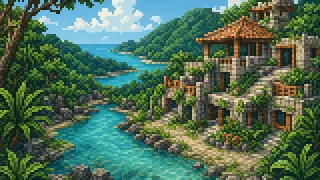
Subtropical forests, mangroves fringing the rivers, coral reefs in every color. In Okinawa live many creatures found nowhere else. Let's tour the islands' nature, selected as a World Natural Heritage site in 2021.
What makes Okinawa's nature so appealing is that forest, river and sea each nurture their own distinct creatures.
Here we take up its signature natural environments and the rare creatures that live in them.
Forest, River and Sea, and Their Creatures
Each environment has its own life: the Okinawa rail in Yanbaru's forests, the Iriomote cat and mangroves on Iriomote Island, and coral reefs and dugongs in the surrounding seas.
YanbaruYanbaru
The name for the forest region spread across the north of the main island, home to a great many endemic plants and animals. In 2021 it became part of a World Natural Heritage site, and it is also designated a national park.
Source:環境省 九州地方環境事務所「やんばる国立公園」
The Mangroves of Iriomote IslandIriomotejima no mangurobu
At the mouths of the island's rivers, where seawater and fresh water mingle, spread the mangroves that grow there. Their roots stretch in complex tangles, serving as a cradle for many creatures such as fish and crabs.
Iriomote catIriomote-yamaneko
A wild cat that lives only on Iriomote Island, its existence confirmed in 1965. A national Special Natural Monument, it is the focus of ongoing efforts to protect it from threats such as traffic accidents.
Okinawa railYanbaru-kuina
A bird living only in the forests of northern Okinawa Island, with small wings and almost no ability to fly. It was described as a new species in 1981 and is designated a national Natural Monument.
Source:環境省 九州地方環境事務所「やんばる国立公園」
Dugongjugon
A large mammal that lives by eating seagrass in shallow seas, and said to be the model for the mermaid legend. Okinawa lies at the northern edge of its range, and its numbers here are said to be very few.
Source:沖縄県公式ホームページ
The Coral Reef Seasango-sho no umi
The shallows formed by reef-building corals are a rich sea where fish of every color gather. You can glimpse a part of that world in displays such as the "Sea of Coral" tank at the Okinawa Churaumi Aquarium.
Source:沖縄美ら海水族館 公式
Humpback whalezato-kujira
From winter into spring, they come to the seas around Okinawa to breed and give birth. The waters around the Kerama Islands are known as a prime spot for whale watching.
Source:沖縄観光コンベンションビューロー(おきなわ物語)
FAQ
When did Okinawa become a World Natural Heritage site?
It was listed in 2021 as "Amami-Oshima Island, Tokunoshima Island, the northern part of Okinawa Island, and Iriomote Island." Within Okinawa Prefecture, the northern main island (Yanbaru) and Iriomote Island are covered.
Can the Okinawa rail fly?
Its wings are small and it can barely fly. Because it lives walking on the ground, accidents while crossing roads have become a problem.
Where can I see the Iriomote cat?
It is a rare animal living only on Iriomote Island, and not easy to observe. As it is nocturnal and few in number, drivers in its habitat are urged to take care.
What can tourists do to protect the coral?
Not touching or stepping on the coral, being mindful of the ingredients in sunscreen, and taking your trash home are some examples. Small acts of care protect the sea.