A Primer on Okinawan Food: Chanpuru, Okinawa Soba & Awamori
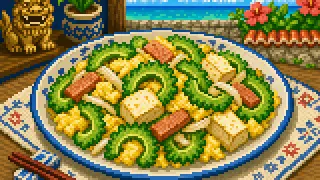
Using every part of the pig, drawing on island vegetables and the bounty of the sea, and reflecting a long history of trade in its flavors—Okinawa's table is rich in character. Let's savor its standout dishes and drinks, along with their backgrounds.
Okinawan cooking is wide-ranging—stir-fries, simmered dishes, noodles, sweets and spirits—running from home cooking to banquet fare.
Here we take up standards you'll easily meet while traveling, and touch on how each came to be.
Standard Dishes and Drinks
The staples span goya chanpuru, Okinawa soba and rafute, plus sata andagi for sweets and awamori to drink—each reflecting island ingredients and a long history of trade.
Goya chanpurugoya chanpuru
A dish stir-frying bitter goya (bitter melon) together with island tofu, egg and pork. "Chanpuru" means to mix things up, and it is packed with the wisdom of making the most of whatever is on hand.
Source:沖縄観光コンベンションビューロー(おきなわ物語)
Okinawa sobaOkinawa soba
Despite the "soba" in the name, the noodles are made chiefly from wheat flour, not buckwheat. A broth of bonito and pork bone is the base, and topping it with bone-in pork ribs (soki) makes "soki soba."
Source:沖縄観光コンベンションビューロー(おきなわ物語)
Rafuterafute
Skin-on pork belly simmered in awamori, soy sauce and sugar until meltingly tender. A dish with roots in court cuisine, it is cooked soft enough to cut with chopsticks.
Source:沖縄観光コンベンションビューロー(おきなわ物語)
Umibudo (sea grapes)umibudo
A seaweed named for the look of its clustered beads; its standard Japanese name is kubirezuta. Its charm is the texture that bursts in the mouth, and it is eaten raw with a dipping sauce or vinegared soy sauce.
Source:沖縄県公式ホームページ
Awamoriawamori
A distilled spirit made with Thai rice and black koji mold, and Okinawa's signature drink. Kusu—aged three years or more—is prized for its mellow aroma and flavor.
Source:国税庁
Sata andagisata andagi
A round, simple sweet of sugar-laced (sata) batter deep-fried in oil (anda). Its split, cracked surface is said to look like "a flower of laughter blooming," making it a lucky treat handed out at celebrations.
Source:沖縄観光コンベンションビューロー(おきなわ物語)
Taco ricetaco rice
A dish of taco fillings served over rice, said to have been born in Kin Town. It is a new local specialty that took hold as American culture and Okinawan food blended together.
Source:沖縄観光コンベンションビューロー(おきなわ物語)
FAQ
What does "chanpuru" mean?
It is a word meaning "to mix things up." It refers to dishes that stir-fry varied ingredients together, and is also used as a metaphor for the Okinawan way in which many cultures blend.
Is Okinawa soba made from buckwheat flour?
No. The noodles are made chiefly from wheat flour and are a different thing from ordinary buckwheat soba. They are usually paired with a broth taken from bonito and pork bone.
How does awamori differ from shochu?
The big difference is that awamori is made with Thai rice and black koji mold. The pleasure of kusu, awamori aged for a long time, is also unique to it.
What's the best way to eat umibudo?
Heating it tends to spoil the texture, so eating it raw is the rule. Set a dipping sauce or vinegared soy sauce in a separate dish and dip as you eat to enjoy the bursting beads.