What is a "Kobekko"? The name "Kobe" and Ikuta Shrine
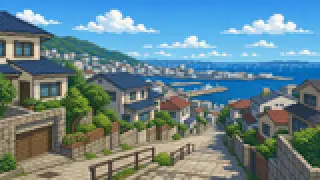
Why is 神戸 read "kobe" and not "kanbe"? The answer lies with the households that once served Ikuta Shrine.
"Kobekko" is a word for someone born and raised in Kobe, often tied to the port city's stylish, cosmopolitan air.
The key is the origin of the name "Kobe," which traces back to Ikuta Shrine.
What "Kobekko" means
Kobekko means someone born and raised in Kobe, a name often tied to the stylish, cosmopolitan air the port city has carried since it opened.
Kobekkokobekko
It means someone born and raised in Kobe, often spoken of alongside the stylish, cosmopolitan air the port city has carried since it opened.
Source:Feel KOBE 神戸公式観光サイト「生田神社」
The origin of "Kobe" (Ikuta Shrine)
The place name Kobe is said to come from the 'kanbe' — households granted to Ikuta Shrine that paid dues to support it.
Kanbe
In ancient times, Ikuta Shrine was granted households called "kanbe" — homes that paid dues to support the shrine. This "kanbe" is said to be the origin of the place name Kobe.
Source:Feel KOBE 神戸公式観光サイト「生田神社」
From kanbe to kobe
The reading shifted from 'kanbe' over time and settled as 'kobe' around the Edo period.
The change in reading
The reading "kanbe" shifted over time, settling as "kobe" around the Edo period. Here lies the charm of place names: the same characters, read differently by place.
Source:ジャパンナレッジ「地名をゆく:神戸の読み方」
Among Japan's many "Kobe"
Many places in Japan write their name 神戸 with various readings; the one that grew into a port and became famous as 'Kobe' is the city of Kobe.
"Kobe" elsewhere
The name is found across Japan, read in various ways. The one that grew as a port and became widely known as "Kobe" is the city of Kobe.
Source:ジャパンナレッジ「地名をゆく:神戸の読み方」
FAQ
Do people call themselves "Kobekko"?
Yes. With some pride in the port city's polish, people raised in Kobe do call themselves Kobekko.
Does Ikuta Shrine still exist?
Yes. It still stands in the heart of Kobe — the old shrine that gave the city its name.