Hard-to-Read Place Names of Kobe and Hyogo
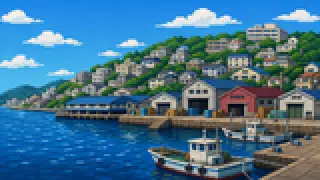
Kobe's map is dotted with names that are hard to read at first glance. Many come from old ports, shrines and terrain—learn the readings and the city's history opens up.
Here are Kobe place names you'll meet in travel and daily life, with their readings and origins.
Some origins have several theories, but ties to terrain, shrines and old ports run through them all.
Names you think you can read—but can't
Names like Kobe (神戸), Rokko (六甲), and Egeyama (会下山) trace back to old ports, shrines, and terrain — learn the readings and the city's history opens up.
Kobe (神戸)
The households (kanbe) that paid dues to Ikuta Shrine came to be read 'Kobe,' giving the city its name (one of several theories).
Source:生田神社 公式サイト神戸市 公式サイト
Rokko (六甲)
Read 'Rokko.' One theory traces it to the old name 'Muko'; it is beloved as the mountain backing Kobe.
Source:六甲山観光
Myodani (名谷)
A Suma Ward name—also a subway station—read 'Myodani,' which grew as a new-town hub.
Source:神戸市 公式サイト
Egeyama (会下山)
Read 'Egeyama.' Said to be where Kusunoki Masashige once camped, it is now Egeyama Park.
Source:神戸市 公式サイト
Owada (大輪田)
Read 'Owada,' from the Heian-era port Owada-no-tomari—a name recalling the roots of Kobe's harbor.
Source:神戸市立博物館
FAQ
Why does Kobe have so many hard-to-read place names?
Many names come from old ports, shrines and terrain, keeping ateji and archaic words whose kanji no longer match the reading.
Any tips for remembering them?
Pair each name with its shrine, landform or port—Maya with its mountain temple, Owada with the old harbor.