Nada Gogo: Water, Rice and Craft of Japan's Top Sake Region
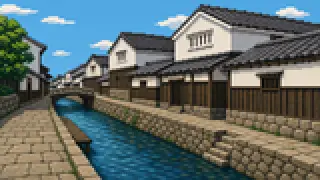
Stretching from eastern Kobe into Nishinomiya, Nada Gogo leads Japan in sake output. Fine water, rice and a port location made this top sake region.
Nada Gogo is a sake region of five districts, said to make roughly 30% of Japan's sake.
Here are the water, rice and craft behind Nada sake, and its history of shipping to Edo.
Where water, rice and craft come together
Nada Gogo became Japan's top sake region by combining miyamizu water, Yamada Nishiki rice, the skill of Tanba toji brewers, and a port for shipping.
Nada Gogo
The five districts—Nishi, Mikage, Uozaki (Kobe) and Nishinomiya, Imazu (Nishinomiya)—forming Japan's top sake area.
Source:灘五郷酒造組合
Miyamizu
Hard groundwater from Nishinomiya that drives vigorous fermentation, giving Nada sake its crispness and depth.
Source:灘五郷酒造組合
Yamada Nishiki
A large-grained Hyogo sake rice with a big white core, the 'king of sake rice,' yielding Nada's high-quality sake.
Source:兵庫県 公式サイト
Nada's 'male sake'
The robust dry style from miyamizu and Yamada Nishiki is called Nada's 'male sake,' contrasted with Fushimi's soft 'female sake.'
Source:神戸市「神戸の清酒(灘の酒)」
Taru-kaisen
In the Edo period, Nada's sake went to Edo aboard dedicated taru-kaisen ships, prized as 'kudari-zake.'
Source:灘五郷酒造組合
Winter brewing and Tanba toji
Winter brewing using the cold Rokko wind developed here, sustained by the skill of Tanba toji master brewers.
Source:灘五郷酒造組合
FAQ
Why is Nada sake so famous?
Miyamizu, Yamada Nishiki, the cold Rokko wind and a port location came together, leading Japan in output since the Edo period.
How do Nada and Fushimi differ?
Largely the water: Nada's hard miyamizu drives fermentation toward a dry style, while Kyoto's Fushimi uses soft water for a rounder, mellower sake.