Kitano Ijinkan and the Former Settlement: Kobe's Exotic Heart
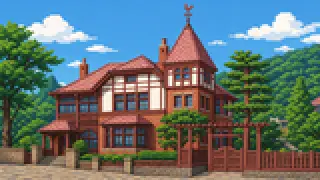
After the port opened in 1868, people and cultures from around the world flowed into Kobe. Their traces still mark the hillside Ijinkan and the seaside settlement.
The Western-style 'ijinkan' on the Kitano hill and the seaside former settlement together tell Kobe's modernization.
Here are the key buildings and districts, with their roles and history.
Memories of the open port, hilltop to shore
Kitano's hillside ijinkan such as the Weathercock House, plus the former settlement and Nankinmachi by the shore, still carry the memory of the port's 1868 opening.
Weathercock House (former Thomas residence)
Home of German trader G. Thomas and Kitano's only brick-walled house; its rooftop weathercock is a Kobe icon.
Source:神戸北野異人館街
Moegi House (former Sharp residence)
A villa with lovely pale-green clapboard, a national ICP, built as the residence of the U.S. consul general.
Source:神戸北野異人館街
Uroko House
Named for stone walls that look like fish scales, it was among the first ijinkan opened to the public in Kobe.
Source:神戸北野異人館街
Former Settlement No. 15
The oldest surviving building in the settlement, a national ICP, rebuilt from its parts after the 1995 quake.
Source:神戸市立博物館
Nankinmachi
Kobe's Chinatown in Motomachi—one of Japan's three great Chinatowns—busy with pork buns and dim sum.
Source:南京町商店街振興組合
Former foreign settlement
The foreigners' residential-commercial zone laid out as an orderly grid of modern architecture, now a brand and office quarter.
Source:神戸市立博物館
Tor Road
The slope linking Kitano and Motomachi, lined with villas, cafes and import shops in true Kobe style.
Source:Feel KOBE 神戸公式観光サイト
FAQ
When did the Kitano Ijinkan district arise?
In the Meiji era after the port opened, foreigners built homes on the Kitano hill; today many are open as attractions.
How do the settlement and the Ijinkan district differ?
The settlement was the official residential-commercial zone; Kitano was mainly a residential district.