Izumo: Walking through local names
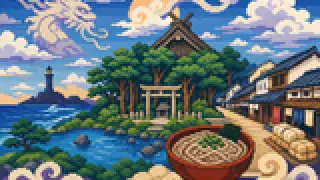
The starting assumption behind this guide to walking through local names in Izumo is a simple one: even two shrines both called miya get different names once you ask which god each one faces. From there it follows the calendar name Kamiarizuki through to the two sub-shrines at Hinomisaki Shrine and on to the Ichibata Railway's station names, checking the actual reason each pair of names diverged.
Izumo has no shortage of cases where the same place, or two very similar buildings, end up with distinctly different names: Kamiarizuki versus Kannazuki, Hishizumi-no-miya versus Kami-no-miya, or the different station names on the Ichibata Railway. This piece works through the reasons behind that naming, one pair at a time.
Rather than repeating source text, it focuses on why a different name was needed in the first place. Knowing that reason before walking through Izumo makes each place name or station name carry more than just a label.
Walking through local names: Kamiarizuki and Hinomisaki Shrine
Kamiarizuki is the Izumo name for the tenth month of the old lunar calendar, while Hinomisaki Shrine is the actual name of a vermilion shrine you can visit.
Kamiarizuki
Kamiarizuki is the Izumo name for the tenth month of the old lunar calendar. Elsewhere in Japan the same month is called Kannazuki, the month without gods, based on the idea that the gods leave their home shrines to gather in Izumo. In Izumo itself, the same month is called the opposite: Kamiarizuki, the month with gods, since this is where they're said to arrive. It's a rare case where the same month gets opposite names depending on where you're standing.
Hinomisaki Shrine
Hinomisaki Shrine stands at Hinomisaki on the Shimane Peninsula, made up of two sub-shrines, Hishizumi-no-miya (the lower shrine) and Kami-no-miya (the upper shrine), and is known for its vermilion-painted buildings. Where Kamiarizuki names a stretch of time, Hinomisaki Shrine names an actual building standing in one place, visible any time of year you visit.
Walking through local names: Hishizumi-no-miya and Kami-no-miya
Hishizumi-no-miya is the lower shrine, enshrining Amaterasu, while Kami-no-miya is the upper shrine, enshrining Susanoo.
Hishizumi-no-miya
Hishizumi-no-miya is the lower of the two sub-shrines making up Hinomisaki Shrine, and it enshrines Amaterasu. Shrine tradition holds that the name, meaning roughly where the sun sinks, reflects its role guarding the direction the sun sets, said to complement Ise Shrine, which guards the daytime of Japan, with Hishizumi-no-miya guarding its night. Though it shares the same Hinomisaki Shrine grounds as Kami-no-miya, both the enshrined deity and the origin of the name are distinct.
Kami-no-miya
Kami-no-miya is the upper of the two sub-shrines making up Hinomisaki Shrine, and it enshrines Susanoo. Where Hishizumi-no-miya enshrines Amaterasu, Kami-no-miya enshrines a different deity, and the two buildings sit at different points within the grounds. Where Hishizumi-no-miya traces its name to a direction, Kami-no-miya, literally shrine of the god, points more directly to the deity enshrined there.
Walking through local names: Ichibata Railway and Unshu-Hirata Station
Ichibata Railway is the name of the whole line connecting Izumo City Station and the Matsue direction, while Unshu-Hirata Station is the name of a single stop on that line.
Ichibata Railway
Ichibata Railway is the name of the private rail line connecting the area around Izumo City Station with the Matsue direction. The line's name traces back to Ichibata-guchi, one of its termini, and to Ichibata-ji (Ichibata Yakushi), the temple it was built to serve, a name that, unlike any single station name, covers the whole route rather than one point on it.
Unshu-Hirata Station
Unshu-Hirata Station is one stop on the Ichibata Railway, known as the station from which Momen Kaido is within walking distance. Unshu refers to Izumo Province, the old provincial name for the region, and Hirata names the district the station sits in. Against Ichibata Railway, which names the entire line, Unshu-Hirata Station names a much narrower thing: one point along it.
Walking through local names: Dentetsu-Izumoshi Station and Former Taisha Station
Dentetsu-Izumoshi Station is the name Ichibata Railway still uses today, while Former Taisha Station carries Former in its name because the line it served was shut down.
Dentetsu-Izumoshi Station
Dentetsu-Izumoshi Station is the terminus of the Ichibata Railway Kita-Matsue Line, and it carries the word Dentetsu, meaning roughly electric railway, specifically to distinguish it from the separate JR Izumoshi Station nearby. It's the starting point of the route to Matsue-Shinjiko-Onsen Station, and that one word in its name is itself a signal marking it apart from the JR station next door.
Former Taisha Station
Former Taisha Station once served as the gateway to Izumo Taisha on the JR Taisha Line, and it stopped operating as a station when that line closed in 1990. The word Former in its name exists specifically to mark that it's no longer an active station. Where Dentetsu-Izumoshi Station still carries the active, operating sense built into its name, the name Former Taisha Station is itself a record of the closure that happened to it.
FAQ
What's a good route for this theme in Izumo?
Visit Hishizumi-no-miya and Kami-no-miya at Hinomisaki Shrine first, tied as they are to Kamiarizuki, then ride the Ichibata Railway from Unshu-Hirata Station to Dentetsu-Izumoshi Station; a chance to trace naming logic from the calendar down to station signs.
Should these names be memorized as a list?
It helps to note the actual reason two similar names diverge: different enshrined deities, as with Hishizumi-no-miya and Kami-no-miya, or active versus retired, as with Dentetsu-Izumoshi Station and Former Taisha Station.
Where can I check the sources?
Each entry links to Izumo Taisha's own site, Izumo City's own site, the Ichibata Railway's own site, or the Izumo Tourism Association. Rite schedules and train operations can change, so confirm official details before visiting.