Historic Monuments of Ancient Kyoto: All 17 World Heritage Sites
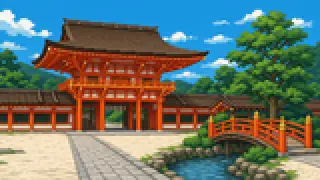
Kinkaku, Kiyomizu-dera and Nijō-jō are all component sites of a single World Heritage property, the Historic Monuments of Ancient Kyoto. Listed in 1994, the 17 sites span Kyoto, Uji and Ōtsu. Here is the full picture, plus a closer look at the most famous of them, with sources.
The Historic Monuments of Ancient Kyoto were inscribed in 1994 as a cultural property — Japan's fifth. The 17 temples, shrines and castle, spread across the cities of Kyoto, Uji and Ōtsu, are built around 198 structures and 12 gardens.
What sets the property apart is that it gathers the high points of successive eras in one group: Heian aristocratic culture (Byōdō-in), the Kamakura period (Kōzan-ji), the Muromachi period (Kinkaku and Ginkaku) and the Momoyama period (Hongan-ji and Nijō-jō). All 17 are introduced below with their locations.
The 17 component sites (Kyoto, Uji and Ōtsu)
Seventeen temples, shrines and one castle spread across the cities of Kyoto, Uji and Ōtsu are inscribed together as a single World Heritage property.
Kamo-wakeikazuchi-jinja (Kamigamo Shrine)Kamo-wakeikazuchi-jinja
An ancient Kamo shrine and one of the stages of the Aoi Matsuri (Kamo Festival) held each May.
Source:京都市「世界遺産 古都京都の文化財」
Kamo-mioya-jinja (Shimogamo Shrine)Kamo-mioya-jinja
An old shrine set in the Tadasu-no-mori forest. Together with Kamigamo Shrine, it hosts the Aoi Matsuri.
Source:京都市「世界遺産 古都京都の文化財」
Kyōō-gokoku-ji (Tō-ji)Kyōō-gokoku-ji
The principal training temple of Shingon esoteric Buddhism, associated with Kūkai. Its roughly 55-meter five-story pagoda is the tallest wooden pagoda standing in Japan.
Kiyomizu-deraKiyomizu-dera
An ancient temple famed for its "Kiyomizu stage." The main hall juts out from the cliff on a kakezukuri framework of long pillars.
Source:京都市「世界遺産 古都京都の文化財」
Enryaku-jiEnryaku-ji
Head temple of the Tendai school, founded by Saichō. Set on Mount Hiei, it is one of the sites that gives the property its reach across three cities.
Source:京都市「世界遺産 古都京都の文化財」
Daigo-jiDaigo-ji
Known for Hideyoshi's lavish "Daigo blossom viewing." Its five-story pagoda, built in 951, is the oldest wooden building in Kyoto Prefecture.
Source:京都市「世界遺産 古都京都の文化財」
Ninna-jiNinna-ji
An imperial monzeki temple (the Omuro Imperial Residence) with ties to the imperial family, celebrated for its late-blooming "Omuro cherry blossoms."
Source:京都市「世界遺産 古都京都の文化財」
Byōdō-inByōdō-in
Best known for the Phoenix Hall featured on the ten-yen coin. It still conveys the Heian aristocracy's longing for the Pure Land paradise.
Ujigami-jinjaUjigami-jinja
Its main hall is regarded as the oldest surviving shrine architecture (around the 11th century), and it has deep links to the neighboring Byōdō-in.
Kōzan-jiKōzan-ji
A mountain temple in Toganoo, associated with the monk Myōe and home to the National Treasure "Chōjū-jinbutsu-giga" (Frolicking Animals scrolls).
Source:京都市「世界遺産 古都京都の文化財」
Saihō-ji (the Moss Temple)Saihō-ji
Nicknamed the "Moss Temple" for its carpet of moss, with a garden laid out by Musō Soseki. Visits require advance reservation.
Source:京都市「世界遺産 古都京都の文化財」
Tenryū-jiTenryū-ji
An old Rinzai Zen temple renowned for Musō Soseki's Sōgenchi garden, which borrows the scenery of Arashiyama.
Source:京都市「世界遺産 古都京都の文化財」
Rokuon-ji (Kinkaku, the Golden Pavilion)Rokuon-ji
A symbol of Muromachi culture, known for the gold-leaf reliquary hall "Kinkaku." It began as a mountain villa of Ashikaga Yoshimitsu.
Source:京都市「世界遺産 古都京都の文化財」
Jishō-ji (Ginkaku, the Silver Pavilion)Jishō-ji
A temple emblematic of Higashiyama culture, linked to Ashikaga Yoshimasa. It is famous for its Ginshadan sand sea and Kōgetsudai sand cone.
Source:京都市「世界遺産 古都京都の文化財」
Ryōan-jiRyōan-ji
World-famous for its karesansui "rock garden" (the abbot's-quarters garden), where stones are arranged on raked white gravel.
Source:京都市「世界遺産 古都京都の文化財」
Hongan-ji (Nishi Hongan-ji)Hongan-ji
Head temple of the Hongan-ji branch of Jōdo Shinshū Buddhism, preserving Momoyama-era architecture such as the Kara-mon gate and the Hiunkaku pavilion.
Source:京都市「世界遺産 古都京都の文化財」
Nijō-jō (Nijō Castle)Nijō-jō
The Tokugawa family's castle and the setting of the restoration of imperial rule. The only castle among the 17 sites, its Ninomaru Palace is a National Treasure.
Source:京都市「世界遺産 古都京都の文化財」
FAQ
How many Historic Monuments of Ancient Kyoto are there?
There are 17 component sites in total. Most lie within Kyoto, but the property also reaches into Uji (Byōdō-in and Ujigami-jinja) and Ōtsu in Shiga Prefecture (Enryaku-ji).
When did it become a World Heritage Site?
It was inscribed in 1994. That made it Japan's fifth listing, following the 1993 inscriptions of the Buddhist monuments of the Hōryū-ji area, Himeji Castle, Yakushima and the Shirakami-Sanchi forests.
What are the formal temple names of Kinkaku and Ginkaku?
Kinkaku and Ginkaku are nicknames for the pavilions, not the temples. The temple housing Kinkaku is Rokuon-ji, and the one housing Ginkaku is Jishō-ji.
Are any of the sites outside the city of Kyoto?
Yes — and that reach is the whole point. The property maps the historical sphere of the old capital rather than today's city limits: the Uji monuments anchor the Heian-era Pure Land world just south of the city, while the great Tendai monastery on Mount Hiei rises in neighboring Shiga. A complete visit therefore crosses two prefectures.