What Are Kyō-yasai? Kamo Eggplant, Kujō Leek and More, with Sources
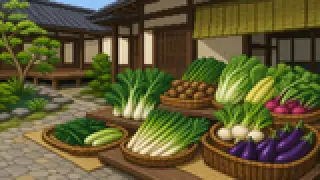
"Kyō-yasai" sounds like a loose label, but it rests on real definitions. Kyoto Prefecture designates "Kyō traditional vegetables," while produce that meets strict standards earns the "Kyō brand produce" certification (the Kyō mark). Here we lay out that framework and the appeal of headline items like Kamo eggplant and Kujō leek, with sources.
Kyoto's vegetables are special because of a history shaped by demand from the imperial court and temples and shrines, and by the climate of the surrounding basin. Kyoto Prefecture formalizes this heritage by designating which items count as "Kyō traditional vegetables."
On top of that, top-grade produce that meets quality and grading standards earns the "Kyō brand produce" label (the Kyō mark). After pinning down the definitions, we look at representative items, all of which are counted among Kyō brand produce.
Start with the definitions
The term covers two things: "Kyō traditional vegetables" formally designated by Kyoto Prefecture under set criteria, and the everyday use of "Kyō-yasai" for Kyoto-grown produce in general.
Kyō traditional vegetables (Kyō no dentō yasai)Kyō no dentō yasai
Vegetables designated by Kyoto Prefecture under criteria such as a documented history of introduction to Kyoto before the Meiji era (bamboo shoots are included; mushrooms and ferns are not). The list names 37 items in total, combining varieties still grown today with ones whose cultivation has died out.
Kyō brand produce (Kyō no brand sanpin)Kyō mark
A certification awarded to top-grade produce, built on the traditional vegetables and others, that meets standards for growing region, producer, and quality; qualifying items carry the telltale "Kyō mark." Kamo eggplant and Kujō leek are flagship examples, and the certification also covers items beyond vegetables.
Stars of the Kyoto table
Headline items include Kamo eggplant, Kujō leek, and Shōgoin turnip — representative vegetables, each with a distinctive shape or backstory of its own.
Kamo nasu (Kamo eggplant)Kamo nasu
A plump, round eggplant sometimes called the "queen of eggplants." A pure-white patch just under the calyx and a dense, surprising heft mark out the best specimens. Glazed with miso as dengaku or deep-fried, it turns meltingly tender.
Source:JA京都「京野菜(京のブランド産品)」
Kujō negi (Kujō leek)Kujō negi
A leaf leek (green onion) whose sweetness and tenderness come from the slippery gel held inside the leaves. Long grown in the Kujō district, it has been a backbone of Kyoto cooking, served in hot pots and as a fragrant garnish.
Source:JA京都「京野菜(京のブランド産品)」
Shōgoin daikon (Shōgoin daikon radish)Shōgoin daikon
A round daikon radish said to have been bred about 180 years ago by a farmer in Shōgoin from the long Miyashige daikon of Owari. It holds its shape through long simmering without falling apart, cooking down to a silky, melting softness.
Source:JA京都「京野菜(京のブランド産品)」
Horikawa gobō (Horikawa burdock)Horikawa gobō
A burdock root recognizable by its thick, bent shape, like a pine root. Hollow at the center with soft fibers, it soaks up flavor all the way through, making it prized for stuffing with fillings and for braised dishes.
Source:JA京都「京野菜(京のブランド産品)」
Shōgoin kabu (Shōgoin turnip)Shōgoin kabu
A large turnip best known as the raw material for senmaizuke, a signature Kyoto winter pickle. The turnip is shaved into thin sheets, then cured with sweet vinegar and kombu kelp.
Source:JA京都「京野菜(京のブランド産品)」
FAQ
Are "kyō-yasai" and "Kyō traditional vegetables" the same thing?
Not exactly. "Kyō traditional vegetables" is a formal category with criteria set by Kyoto Prefecture, while "kyō-yasai" is a looser everyday term for Kyoto-grown vegetables in general. Items that clear the grading standards then become "Kyō brand produce," marked by the Kyō mark.
When are kyō-yasai in season?
Seasons vary by item: Kamo eggplant peaks in summer, while Shōgoin daikon, Shōgoin turnip, and Horikawa burdock are winter vegetables. Kyoto cuisine is built around menus that mirror the season, so the lead vegetable changes throughout the year.
Where can I buy or eat them?
Look for them at markets such as Nishiki Market, at farm stands and direct-sales shops, and on the menus of Kyoto cuisine (kaiseki) restaurants. The Kyō mark is a handy sign of certified quality.
Why did such distinctive vegetables develop in Kyoto?
Two forces compounded over centuries. A captive, demanding market — the imperial court, temples, and shrines all wanting the finest produce — rewarded growers who bred superior strains, while the Kyoto basin's wide day-to-night temperature swings and clean water gave those strains unusual flavor and character.