What is a "Dosanko"? Hokkaido's nickname — and the horse behind it
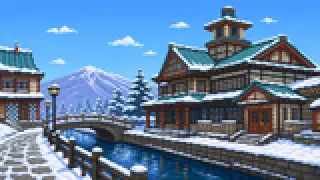
Say "Dosanko" and what comes to mind — a person, or a horse? The word began with the hardy little horses that survived Japan's far north.
"Dosanko" is an affectionate word for someone born and raised in Hokkaido. Yet its first meaning was "horse."
Here are the two meanings, the equine origin, and how the word is written.
What "Dosanko" means
Dosanko has two senses — a horse bred in Hokkaido and a person born in Hokkaido — and the human usage grew out of the horse's name.
Dosanko (道産子)dosanko
Dictionaries give "dosanko" two senses: first "a horse bred in Hokkaido," and second "a person born in Hokkaido." The human sense grew out of the horse's name; one novel even describes the small horse and notes that "people born in Hokkaido are called that too."
An origin in a northern horse
The original dosanko is the Hokkaido native horse breed, traced either to Nanbu horses left behind after the herring fishery or to Mongolian horses, hardened by cold and scarce food.
The Hokkaido native breed
The original "dosanko" is the Hokkaido native breed. Its origins are traced either to Nanbu horses — brought from Tohoku for the herring fishery and left behind after the season — or, by another account, to Mongolian horses. Either way, the breed formed from animals that endured the cold and sparse feed.
A horse of the frontier
Hardy and content on little, this horse helped open up Hokkaido from the Meiji era on. In time its name also came to mean someone born and raised in Hokkaido, and was used for people as well.
Spelling variants (道産子 / どさんこ / ドサンコ)
The word is written in kanji, hiragana, or katakana; none is uniquely correct, and the reading is always 'dosanko.'
道産子 / どさんこ / ドサンコ
The word appears in kanji (道産子), hiragana (どさんこ) and katakana (ドサンコ). None is uniquely correct; writers choose by context. The reading is always "dosanko."
The horse itself
As a horse, the dosanko is small — about 1.3 meters — but sturdy, gentle, and full of stamina; once a work horse, it is now enjoyed in horse trekking.
A gentle, hardy native horse
As a horse, the dosanko stands about 1.3 meters — small but sturdy, gentle in temperament and rich in stamina, at home through harsh winters. Once a draft and riding horse, today it is enjoyed in horse trekking and more.
FAQ
Is a "Dosanko" a person or a horse?
Both. It began as the name of a horse, and from there came to mean someone born in Hokkaido. Which one is meant depends on context.
Do people use it about themselves?
Yes. It is an affectionate label — people from Hokkaido often call themselves dosanko, with a touch of pride.