Osaka's Comedy & Performing Arts: Yoshimoto, Kamigata Rakugo & Bunraku
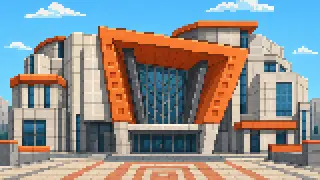
Osaka is called the "city of laughter." Not only manzai and new comedy, but also age-old arts like rakugo and puppet theater have been polished in this city. Let's take a peek at the culture behind the stage.
Osaka's performing arts grew up right beside ordinary people, treasuring laughter and human warmth.
Here we cover everything from modern comedy to traditional arts recognized around the world.
The Stages That Gave Birth to Laughter and the Arts
Modern comedy centers on Yoshimoto Kogyo and its Namba Grand Kagetsu theater, while kamigata rakugo and bunraku carry the traditional arts — with Dotonbori and the Takarazuka Revue rounding out the scene.
Yoshimoto Kogyo (吉本興業)Yoshimoto Kōgyō
A talent agency founded in Osaka in 1912. With a vast roster of performers, it has been the driving force in spreading Kamigata comedy across the nation through manzai and comic theater.
Source:吉本興業 公式
Namba Grand Kagetsu
Yoshimoto's flagship theater in Minami. It stages manzai and the Yoshimoto Shinkigeki (New Comedy) troupe nearly every day, where signature gags and heartwarming performances send the audience into laughter.
Source:吉本興業 公式
Kamigata Rakugo (上方落語)Kamigata Rakugo
Rakugo storytelling nurtured in Osaka and Kyoto. It is marked by lively gestures using a kendai (a small lap stand) and a harisen (paper fan), and can be enjoyed at regular venues such as the Tenma Tenjin Hanjotei near Osaka Tenmangu Shrine.
Source:大阪観光局(OSAKA-INFO)
Bunraku (文楽)Bunraku
A form of puppet theater performed by three roles: the tayu (chanter), the shamisen player, and the puppeteers. It grew greatly in Osaka and is based at the National Bunraku Theatre. It is also inscribed on UNESCO's Intangible Cultural Heritage list.
Source:日本芸術文化振興会(文楽)
The Theater District of Dotonbori (道頓堀の芸どころ)Dōtonbori
Dotonbori was a theater district lined with playhouses from the Edo period. Today it is known for signboards such as the Glico sign, and it is one of Osaka's signature entertainment districts, alive with amusement and food.
Source:江崎グリコ 公式
Takarazuka Revue (宝塚歌劇)Takarazuka Kageki
An all-female musical theater troupe founded by Hankyu's Kobayashi Ichizo. It was born from Osaka's private-railway culture, but its home, the Takarazuka Grand Theater, is in Takarazuka City, Hyogo Prefecture.
Source:宝塚歌劇団 公式
FAQ
What characterizes Kamigata comedy?
Its hallmark is generating laughter through fast-paced conversation, built around the back-and-forth of the boke (funny man) and tsukkomi (straight man). Another trait is the close distance between stage and audience.
Where can I watch Bunraku?
The National Bunraku Theatre in Nipponbashi, Osaka, is its home. The highlights are the voice of the tayu who narrates the story and the delicate movements of puppets operated by three handlers each.
Why is Osaka called the "city of laughter"?
It is said to be because yose variety halls and theaters have flourished since long ago, and a spirit that treasures laughter has taken root even in everyday conversation.
What are "boke" and "tsukkomi"?
The role that says the absurd things is the boke, and the one who points it out and turns it into a laugh is the tsukkomi. The timing between the two decides how funny a manzai act is.