Before Visiting the Hiroshima Peace Memorial Park: The Dome and Prayer
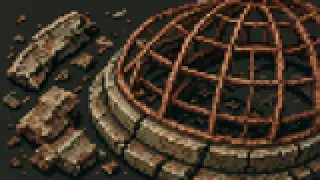
Spreading across the heart of Hiroshima, the Peace Memorial Park conveys the events of August 6, 1945, and prays that they are never repeated. It is a place to learn quietly, as a matter of historical record.
Here we introduce, faithfully and in line with the historical record, the facilities and monuments worth knowing before a visit.
It is a place to hold the memory of those who lost their lives with care, and to receive the facts accurately and with respect.
Places and monuments that convey the historical record
The park gathers the Atomic Bomb Dome, the Peace Memorial Museum, and monuments such as the Children's Peace Monument, conveying the historical record and a wish for lasting peace.
Atomic Bomb Dome
Originally the Hiroshima Prefectural Industrial Promotion Hall. Preserved as a surviving building that conveys the devastation of the atomic bomb, it was inscribed as World Cultural Heritage in 1996.
Source:原爆ドーム(文化遺産オンライン)広島平和記念資料館
Peace Memorial Park
A park developed to a design by the architect Kenzō Tange. Its layout draws the line of sight straight from the cenotaph to the Atomic Bomb Dome, carrying within it a wish for peace.
Source:広島市 公式ウェブサイト広島平和記念資料館
Hiroshima Peace Memorial Museum
A museum that conveys the reality of the bombing. Through belongings and records, it quietly speaks of the harm the atomic bomb brought and the preciousness of peace.
Source:広島平和記念資料館
Children's Peace Monument
A monument mourning the children who lost their lives to the atomic bomb, including Sadako Sasaki, who died of leukemia. Paper cranes are still offered here from Japan and around the world.
Source:広島市 平和の取組(折り鶴・原爆の子の像)
Flame of Peace
A flame said to be kept burning until the day nuclear weapons are gone from the earth. It symbolizes a vow toward lasting peace.
Source:広島市 公式ウェブサイト
Hiroshima Peace Memorial City Construction Law
A special law enacted in 1949. Setting out the ideal of rebuilding Hiroshima as a city symbolizing lasting peace, it became the basis for developing the park and other facilities.
Source:広島市 公式ウェブサイト
FAQ
Why was the Atomic Bomb Dome left standing rather than demolished?
There were debates over demolition, but it was chosen for preservation as a symbol that conveys the devastation to later generations and prays for peace. Citizens' wishes and donations are said to have supported its preservation.
Where should paper cranes be offered?
They are commonly offered around the Children's Peace Monument. Cranes that are offered are handled with care by the City of Hiroshima and put to use in activities that convey a message of peace.