Hiroshima Toyo Carp Basics: The Red Team the Citizens Built
The only pro baseball club with no single parent company. The Hiroshima Toyo Carp is the 'red' team that has survived thanks to its city and its people.
Why do the people of Hiroshima love the Carp so deeply? We introduce the pieces that point to the answer, from both history and culture.
The name 'Carp' (koi) is said to come from Hiroshima Castle's nickname, 'Rijō,' the Carp Castle.
A club that walks with its citizens
Founded in 1950, the Carp are a citizen-supported club with no parent company, famed for barrel donations, red helmets, and deep ties to Hiroshima.
A citizen-owned club
Founded in 1950. With no single parent company, it has been run with the support of local government, local businesses and citizens. It is also a symbol of recovery after the atomic bombing.
Source:広島東洋カープ 公式サイト
Barrel donations
In its early years, facing financial crisis, citizens are said to have dropped donations into sake barrels placed at ballparks and elsewhere to keep the club alive. It is an anecdote that symbolizes the citizen-owned team.
Source:広島東洋カープ 公式サイト
The red helmets
A nickname born from adopting red caps and helmets. It took hold around the team's first pennant in 1975, and the team color red remains a symbol of Hiroshima today.
Source:広島東洋カープ 公式サイト
Mazda Stadium
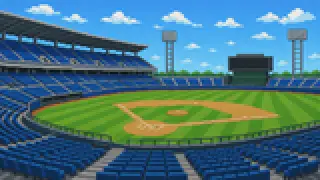
The home ground that opened in 2009. Its official name is MAZDA Zoom-Zoom Stadium Hiroshima, known for its asymmetric field and wide variety of seating.
Source:広島東洋カープ 公式サイト
Sachio Kinugasa
A great player known for his consecutive-game streak and called the 'Iron Man.' Together with Koji Yamamoto, he supported the team's golden era.
Source:広島東洋カープ 公式サイト
Carp-watching culture
On game days the city turns red, and fans of every generation gather. The phrase 'Carp joshi' (Carp women) was even coined, and watching games has become part of everyday scenery.
Source:広島東洋カープ 公式サイト
FAQ
Why is there no parent company?
Born from local passion amid postwar turmoil, the club never came under a single corporation and has stayed supported by citizens and the community. This is the Carp's greatest distinction.
What are the highlights of Mazda Stadium?
Seat types abound, from lie-down spots to terrace seats, in an open layout near Hiroshima Station. Tour visits are popular even on non-game days.