Aomori Station, Wa Rasse, and a Nebuta Waterfront Walk
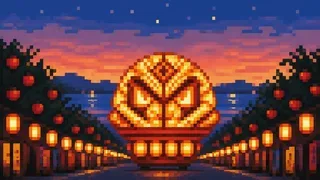
Aomori Nebuta can be explored outside the festival night. Start at Aomori Station, walk toward Mutsu Bay, pause for local food, and then meet large floats at Wa Rasse. That route links the festival to the waterfront, the city's everyday life, and the Aomori citizens who carry it through the year.
Aomori Station has tourist information and restaurants nearby and is convenient for reaching other parts of the city. A-FACTORY and the Aomori Fish Market add food and waterfront context, so a Nebuta visit can include the city that supports the festival rather than only its spectacular floats.
Nebuta Museum Wa Rasse permanently displays large floats that appeared in the festival. Its Nebuta Museum and Nebuta Hall rises through an atrium, while the marine procession and the idea of Nebuta living with Aomori citizens provide different ways to picture the festival beyond one parade route.
From the station to Mutsu Bay and local food
Aomori Station leads naturally to A-FACTORY, Mutsu Bay, and the Aomori Fish Market, where the city's food and port setting frame the festival.
Aomori Station
Aomori Station is a useful start for a city walk because tourist information and restaurants are nearby and other parts of Aomori are easy to reach from it. On a Nebuta day, the station can be more than a transport stop: it is the hinge between the waterfront facilities, the market, and the streets where the procession will later move.
Source:Aomori Station
A-FACTORY
A-FACTORY sits about a one-minute walk from Aomori Station beside Mutsu Bay. Visitors can taste cider made with Aomori apples, then choose a favorite upstairs before buying it downstairs. It makes a compact stop where local produce, shopping, and the waterfront meet before a visitor turns toward the festival displays.
Source:A-FACTORY
Mutsu Bay
The Mutsu Bay setting gives Aomori Nebuta a useful geographic frame. The floats move through the city, yet the festival's history also includes a marine procession and a postwar connection with the port. Looking across the water before visiting the museum helps connect the city map to the festival's changing public stages.
Source:A-FACTORYChanges in Nebuta
Aomori Fish Market
The individual Amazing AOMORI listing identifies Aomori Fish Market, also called Furukawa Market, as a market near Aomori Station and Aomori Bay. It describes local seafood and the market's Nokkedon, including the exchange of meal tickets for rice and chosen toppings. That makes this stop concrete rather than a generic food recommendation.
Nokkedon
The official Ganso Aomori Nokkedon site explains the experience through the guidance counter, meal tickets, rice, and toppings chosen in the market. The bowl is therefore a market activity built by the visitor, not simply a prepared dish; that is the small-scale choice-and-assembly connection to a Nebuta walk.
Source:Ganso Aomori Nokkedon
Meeting the festival at Wa Rasse
Wa Rasse keeps festival floats visible year-round, while its atrium, marine procession, and civic story broaden the experience beyond a single night.
Wa Rasse
Nebuta Museum Wa Rasse permanently displays large Nebuta floats that appeared in the festival. Seeing them outside the moving procession lets visitors study the paper surface, expression, and scale at their own pace. The FAQ suggests about two hours when dining and shopping are included, making the facility a substantial part of a waterfront itinerary rather than a quick photo stop.
Nebuta Museum and Nebuta Hall
Nebuta Museum and Nebuta Hall is described as a large space open through to the second floor. That height changes how a visitor reads a float: instead of seeing only the side of a moving vehicle, you can look up through the structure and notice how its face, paper planes, and internal lights occupy architectural space.
Source:About Wa Rasse
marine procession
The marine procession is a final-day event that makes the port setting part of the festival's stage. Imagining large floats returning from the streets to the water, with the night opening toward the bay, gives a different scale to the same objects seen indoors. It also links the present schedule with the postwar history of port-centered revival.
Aomori citizens
The Wa Rasse facility guide describes a “Nebuta's home” concept in which Nebuta lives with Aomori citizens throughout the year. This phrase shifts the museum from a storehouse of festival objects to a civic home: making, displaying, learning, and remembering are all part of the relationship between floats and the people of the city.
Source:About Wa Rasse
Aomori City
Aomori City presents Nebuta through festival introductions, preservation information, and a virtual experience. Combining those civic pages with Wa Rasse creates a fuller route: the city explains context and participation, while the museum gives the visitor a close encounter with the finished floats. Nebuta becomes an entry point into local culture, not a single event detached from place.
Hakkodamaru Memorial Ship
Aomori City's individual facility page identifies Hakkodamaru as the city's Port Cultural Exchange Facility and explains that the preserved Seikan ferry memorial ship presents Aomori's history and the role of the Seikan ferries. This gives a Nebuta walk a specific port-and-rail memory stop alongside Wa Rasse.
Source:Aomori City Port Cultural Exchange Facility: Seikan Ferry Memorial Ship Hakkodamaru
FAQ
What can be combined with Aomori Station on a short walk?
A-FACTORY, the bay-facing waterfront, the Aomori Fish Market, and Wa Rasse make a natural sequence. Food and exhibition stops divide the route into manageable parts.
Can Wa Rasse be visited outside the festival dates?
Yes. It permanently displays large floats that appeared in the festival, and its exhibition space lets visitors study Nebuta beyond the procession season.