Ago Bay, Its Rias Coast, and Ama Culture | LoreMania
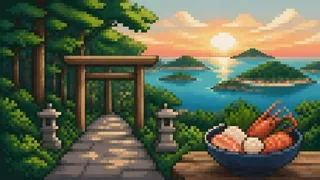
Shima's sea is more than a scenic backdrop: its indented shoreline, sheltered water, and ama practices form one connected regional story.
Ago Bay is part of a rias-coast landscape where inlets and islands make the water's edge intricate. A named island such as Masakijima turns that broad scenery into a precise place on the map.
Ama culture is also wider than free-diving alone. Abalone and turban shells, the ama hut, and Seiman and Doman reveal how work, food, rest, and protection belong to one maritime world.
A map made of inlets and islands
Ago Bay is a rias-coast bay of intricate inlets and islands, and naming an inhabited island such as Masakijima pins that broad scenery to a precise place.
Rias coast
A rias coast is a shoreline of complex inlets and headlands. In Shima, that form helps create sheltered waters associated with ama fishing and pearl cultivation, so the landform is part of the local livelihood story rather than a visual label alone.
Ago Bay
Ago Bay is the intricate bay around Shima, with islands and inlets that shape both the panorama and the working sea. It appears in questions about the view from Yokoyama as well as in questions about pearl cultivation and local culture.
Masakijima Island
Masakijima Island is one of the inhabited islands in Ago Bay and belongs to Shima City. Its name gives the bay's island-filled geography a concrete location, distinct from other island names in the wider Mie region.
Ama work, food, and protection
Ama free-divers harvest abalone and turban shells, rest in shore-side huts between dives, and look to Seiman and Doman for safety—work, food, and belief in one culture.
Ama
Ama are the people who practice free-diving fishing and collect marine products. In Shima, the term opens into a larger culture that includes what is harvested, where divers rest, and which signs are associated with safety at sea.
Ama hut
An ama hut is a shore-side place where divers can warm themselves and work between dives. It adds a land-based scene to the better-known image of free-diving and makes the daily rhythm of the culture easier to imagine.
Abalone
Abalone is a representative marine product collected by ama divers. It gives the broad word ama a specific catch and appears alongside turban shells when the quiz asks which foods are closely associated with free-diving fishing.
Turban shell
Turban shell is another marine product linked with Shima's ama culture. Together with abalone, it makes the multi-select clue concrete: the question is about the catch of free-diving fishers, not about pearl farming.
Seiman and Doman
Seiman and Doman are signs and beliefs associated with ama divers' wish for safety. They take the reader beyond a list of products and into the protective knowledge that accompanies work at sea.
FAQ
Does 'rias coast' describe only what the landscape looks like?
It names the coastal form, but in Shima the form also explains part of the working environment. Sheltered, complicated inlets help connect the scenery with ama fishing and pearl cultivation, so the term carries a geographic and livelihood clue.
Are abalone and Seiman and Doman the same kind of ama-culture clue?
They point to different layers. Abalone is a marine product collected by ama divers, while Seiman and Doman refer to protective signs and beliefs. Separating food from safety practice makes the answer choices much easier to sort.