Asakusa entertainment and crafts: stages, cut glass, and tools
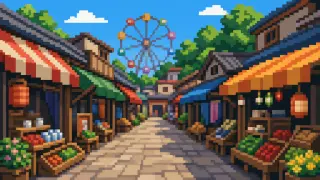
Asakusa is a place to visit temples, but also to hear comic storytelling, see a show, choose a crafted glass, or shop for professional tools. Read entertainment and skilled work together and the town becomes much larger.
Asakusa Rokku's theaters, Hanayashiki amusement park, and a yose theater have supported popular entertainment since the modern era. Meanwhile, Asakusa geisha, Edo Kiriko, and Kappabashi preserve skills of hospitality, performance, and making.
Rather than depend on changing shops or performers, this guide focuses on the roles each place and craft has played.
A town of amusement and live performance
Hanayashiki is an amusement park, Asakusa Rokku is an entertainment district, and Asakusa Engei Hall is a yose theater.
Asakusa HanayashikiAsakusa Hanayashiki
Asakusa Hanayashiki began as a flower garden in the late Edo period and is now an amusement park. Close to the temple precinct, it is nevertheless a place of play rather than worship. Its shift from garden to amusement park is a useful introduction to Asakusa's entertainment history beyond dates alone.
Source:History of Hanayashiki
Asakusa RokkuAsakusa Rokku
Asakusa Rokku spreads west of Sensoji. Taito City's tourism information says that cinemas, yose theaters, and review theaters lined the area from the Meiji through Showa periods; today it introduces street performances as well as nearby theaters and yose venues. Unlike Nakamise, it is not an approach to the temple but an area for stage arts and entertainment.
Source:Asakusa Rokku entertainment
Asakusa Engei HallAsakusa Engei Hall
Asakusa Engei Hall is a yose theater in Asakusa Rokku, presenting rakugo storytelling, manzai comedy, and other popular performance. It shares the broad category of entertainment with a cinema or amusement park, but its defining form is live performers meeting an audience. Match the venue to what people hear and see there.
Source:Asakusa Engei Hall
Skills in performance and tools
Asakusa geisha carry performance arts, Edo Kiriko is cut-glass craft, and Kappabashi concentrates food-service tools.
Asakusa geishaAsakusa geisha
Asakusa geisha present their arts in ozashiki dance and ozashiki entertainment. A Taito City feature on an ozashiki dance performance describes dance together with song, taiko, and shamisen. Separate this setting from yose comic storytelling and festival dance: the evidence-backed clue is the ozashiki performance context.
Edo KirikoEdo Kiriko
Edo Kiriko is cut glass made by carving patterns into a glass surface. It began in late Edo and continues as a Tokyo traditional craft. When you encounter it near Asakusa, see more than a souvenir: the essential technique is the patterned cut that catches light in the glass.
Kappabashi Dogu-gaiKappabashi Dogu-gai
Kappabashi Dogu-gai is a shopping street between Asakusa and Ueno, known for cooking equipment, tableware, kitchen supplies, and food samples. It serves restaurant professionals as well as home visitors. Unlike Nakamise, its central subject is not temple souvenirs but the tools that support food work.
Source:Kappabashi Dogu-gai
FAQ
Are Asakusa Rokku and Nakamise the same kind of shopping street?
No. Nakamise is Sensoji's temple approach, while Rokku developed as a district of theaters and cinemas.
Is Edo Kiriko a craft limited to Asakusa?
It is a glass craft passed down in Edo and Tokyo. It can be encountered around Asakusa, but should be understood as a broader regional craft tradition.